Get Arborist Pruning in Loveland, CO
Arborist pruning services for Loveland, CO and nearby areas address tree health, safety, and aesthetics through crown thinning, shaping, removal of hazardous limbs, and overall tree maintenance.
Arborist pruning services are essential for maintaining the health and appearance of trees on residential properties in Loveland, CO. Proper pruning can improve the safety of a landscape by removing dead or damaged branches that pose a risk of falling or causing injury. Additionally, well-pruned trees enhance the overall curb appeal, giving homes a tidy and attractive appearance. Property owners often seek these services to ensure their trees remain durable and resilient against the local climate, reducing the likelihood of disease and structural issues that could lead to costly repairs or replacements.
Beyond aesthetics, pruning can improve the functionality of outdoor spaces by allowing better sunlight penetration and airflow, which supports healthier plant growth. It also helps reduce ongoing maintenance needs by controlling tree size and shape, making routine care easier and less time-consuming. For many property owners in Loveland, CO, professional arborist pruning provides a practical solution for balancing landscape beauty with safety and long-term durability.
- Pruning for health - needed to remove dead or diseased branches to promote tree vitality.
- Structural pruning - recommended when shaping young trees or correcting branch growth for safety.
- Fruit tree pruning - essential for maximizing fruit production and maintaining tree structure in orchards or residential gardens.
- Storm damage pruning - required after severe weather events to remove broken or hazardous branches.
- Crown thinning - performed to improve air circulation and light penetration within the tree canopy.
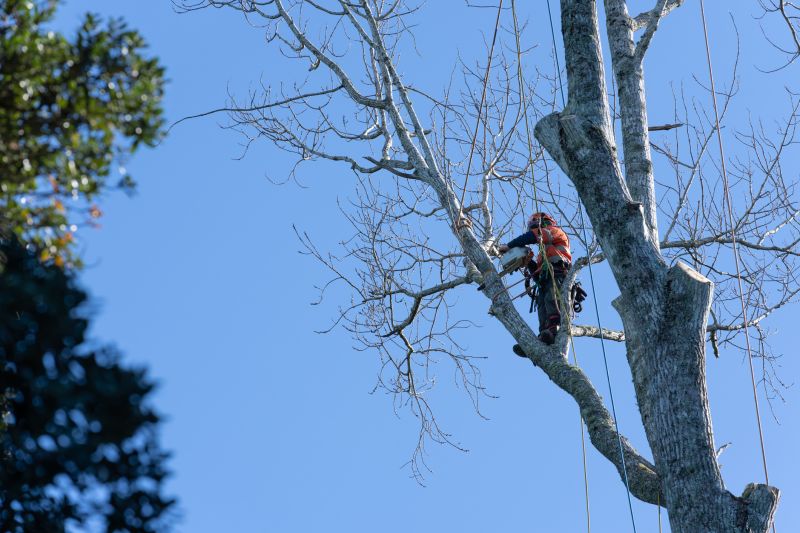
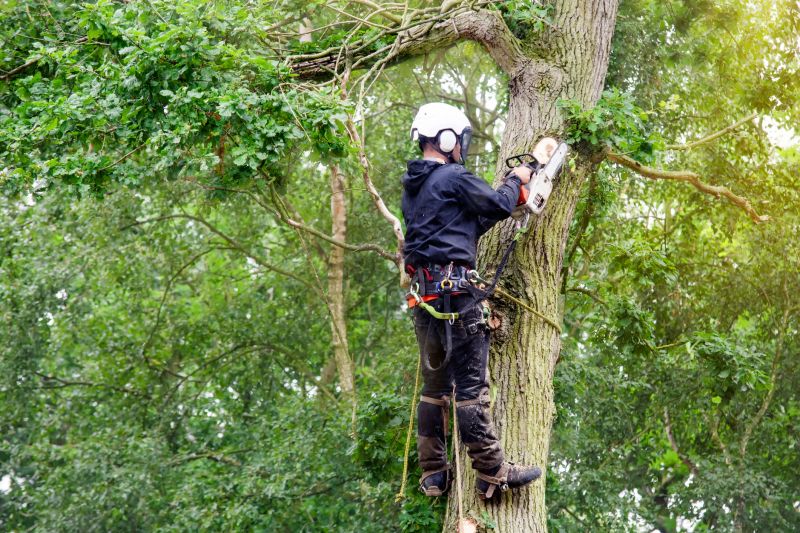
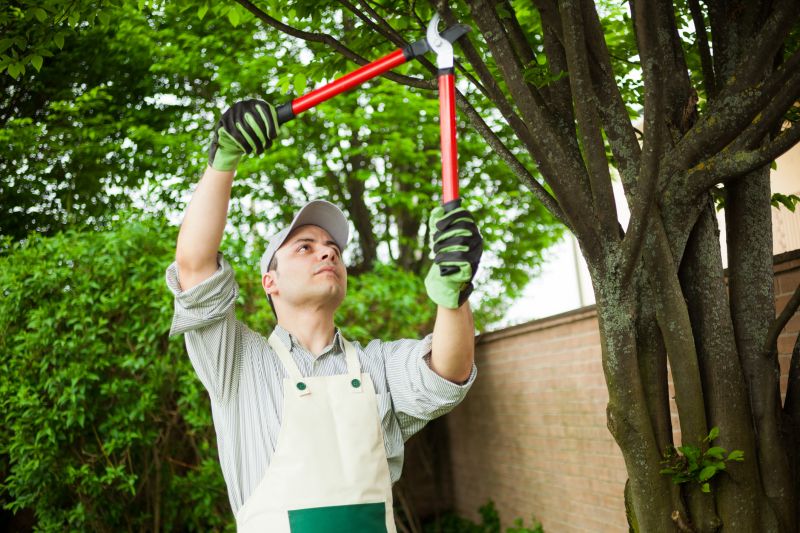
Arborist pruning services involve the careful trimming and shaping of trees to promote their health, safety, and aesthetic appeal. Skilled professionals assess each tree's structure, identifying branches that may be dead, diseased, or pose a risk to nearby structures or pedestrians. The pruning process can include removing overgrown or damaged limbs, thinning the canopy to allow better light penetration, and shaping trees to enhance their natural form. Proper pruning techniques help maintain the overall vitality of trees, encouraging healthy growth and prolonging their lifespan.
These services are essential for addressing various tree-related problems. Overgrown branches can become hazards, especially during storms or high winds, potentially causing property damage or injury. Diseased or dying limbs can weaken a tree's stability, increasing the risk of falling branches. Additionally, poorly maintained trees can interfere with power lines, obstruct views, or encroach on buildings and walkways. Arborist pruning helps mitigate these issues by removing problematic limbs and improving the structural integrity of the trees, reducing potential hazards for property owners and residents.
Properties that typically utilize arborist pruning services include residential homes, commercial properties, parks, and public spaces. In residential settings, pruning enhances curb appeal and ensures safety around driveways, sidewalks, and outdoor living areas. Commercial properties often require regular pruning to maintain a professional appearance and prevent potential liabilities from falling branches. Public parks and community spaces benefit from professional pruning to preserve the health of large trees, ensure visitor safety, and support local aesthetics. Urban environments with dense tree populations particularly rely on these services to manage growth and prevent interference with infrastructure.
Professional arborist pruning services are suitable for a wide range of property types and sizes. Larger estates and landscaped campuses often need periodic pruning to maintain the health and appearance of mature trees. City and town properties, including streetscapes and municipal parks, also frequently require expert pruning to manage urban forestry needs. Even smaller residential lots can benefit from professional pruning to keep trees safe and visually appealing. Contacting local service providers ensures that each property receives tailored care that addresses specific tree conditions and landscape goals.
The overview below groups typical Arborist Pruning projects into broad ranges so you can see how smaller, mid-sized, and larger jobs often compare in Loveland, CO.
In many markets, a large share of routine jobs stays in the lower and middle ranges, while only a smaller percentage of projects moves into the highest bands when the work is more complex or site conditions are harder than average.
Cost Range for Basic Pruning - Typical costs for standard pruning of small to medium trees generally fall between $150 and $500. For example, pruning a single tree in Loveland might cost around $200.
Cost for Large Tree Pruning - Pruning large or multiple trees can range from $600 to over $1,500, depending on the size and complexity. An example might be a large oak requiring extensive pruning at approximately $1,200.
Cost Factors - Prices vary based on tree height, density, and location. Additional services like crown thinning or shaping may increase the overall cost, which can add $100 to $300 per tree.
Service Call Minimums - Many providers have a minimum fee for pruning services, typically around $150 to $300. This fee covers initial assessment and small-scale pruning tasks in local areas such as Loveland.
Actual totals will depend on details like access to the work area, the scope of the project, and the materials selected, so use these as general starting points rather than exact figures.
Tree Pruning - Local arborists offer pruning services to improve tree health and structure, ensuring safety and aesthetic appeal.
Emergency Pruning - Pros provide urgent pruning services to address storm damage or hazardous branches that pose safety risks.
Fruit Tree Pruning - Specialists assist with pruning fruit trees to promote better fruit production and maintain tree vitality.
Deadwood Removal - Tree care providers remove dead or diseased branches to prevent decay and improve overall tree health.
Structural Pruning - Arborists shape and train trees to develop strong, stable structures and reduce the risk of falling branches.
Thinning Services - Experts selectively reduce foliage density to increase light penetration and airflow within the canopy.
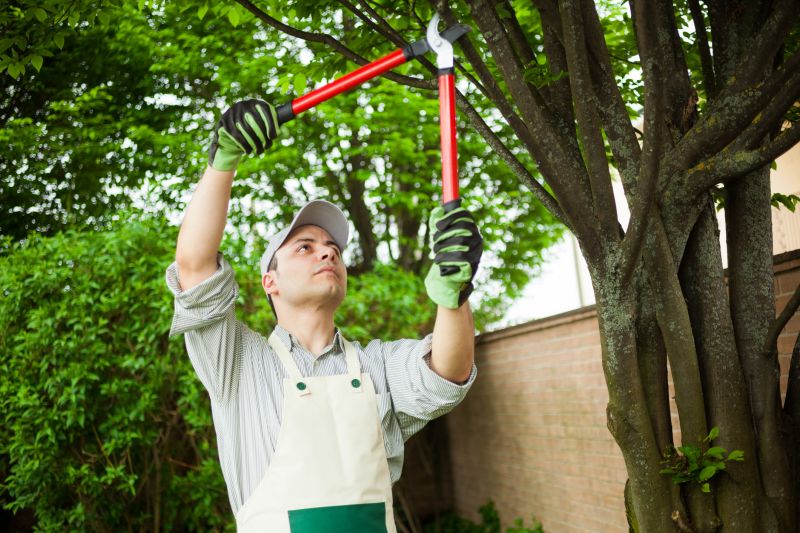
When selecting an arborist pruning service, it’s important to consider the experience of the local professionals. Established providers often have a track record of working with a variety of tree species and sizes, which can contribute to more effective and appropriate pruning practices. Homeowners should seek out service providers who can clearly communicate their level of experience and provide examples of past projects, ensuring that the arborists are well-versed in handling different types of trees and pruning techniques.
Clear written expectations are essential when working with local arborist pruning services. Reputable professionals typically outline the scope of work, pruning methods, and any recommendations in a detailed proposal or service agreement. This documentation helps ensure that homeowners understand what will be done and can serve as a reference throughout the project. Establishing these expectations upfront can contribute to a smoother process and help prevent misunderstandings.
Reputation and communication are key factors when comparing local arborist pruning providers. Homeowners are encouraged to seek references or reviews from previous clients to gauge the quality of service and professionalism. Additionally, responsive and transparent communication from the service provider can facilitate a better working relationship, making it easier to discuss project details, ask questions, and address any concerns that may arise during the pruning process.
Property owners in Loveland, CO use Arborist Pruning services for practical projects around their homes and businesses. The sections below highlight everyday jobs and straightforward project options.
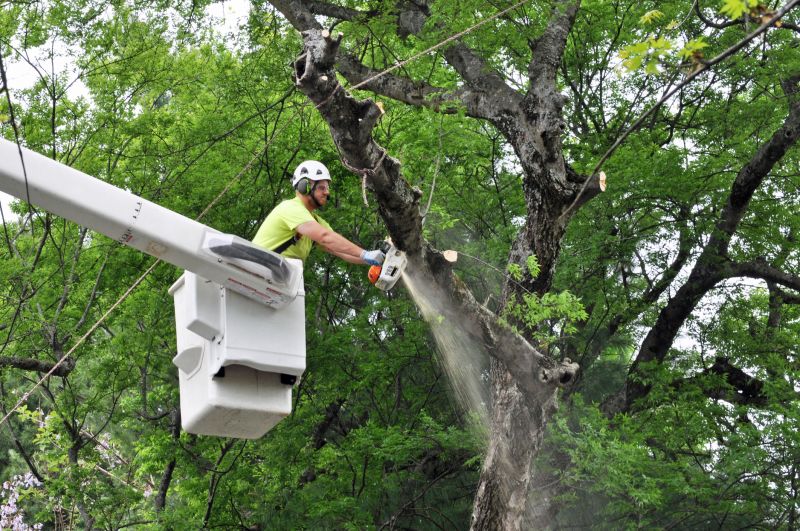
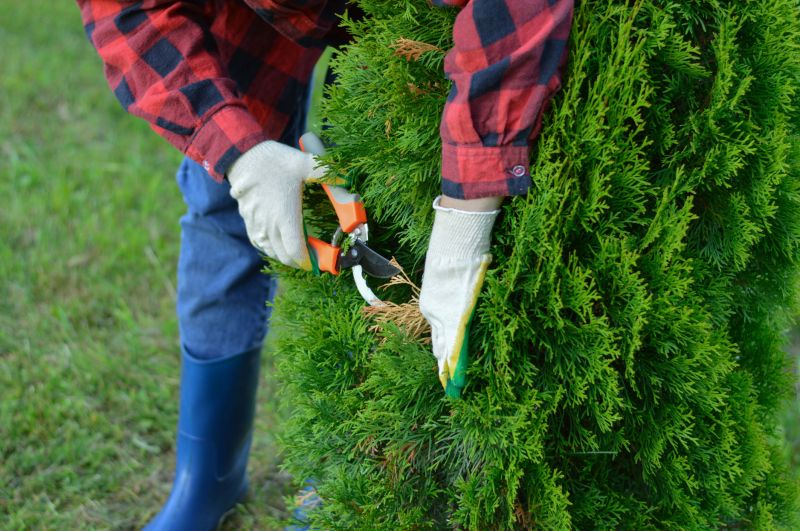
Arborist pruning services are often sought by property owners in Loveland, CO, who want to maintain the health and appearance of their trees. Regular pruning can help remove dead or diseased branches, reducing the risk of falling limbs and potential property damage. It also encourages healthy growth, improves sunlight exposure, and enhances the overall aesthetic of residential and commercial landscapes.
Homeowners and property managers may also request pruning to address safety concerns or to comply with local ordinances. Overgrown branches near power lines, walkways, or structures can pose hazards, making professional pruning a practical solution. Additionally, pruning can be part of routine landscape upkeep, helping trees stay vigorous and attractive throughout the year.
What is arborist pruning? Arborist pruning involves selectively trimming trees to improve their health, appearance, and safety by removing dead, damaged, or overgrown branches.
Why should I consider professional pruning services? Professional arborists have the expertise to ensure pruning is done correctly, helping to promote healthy growth and reduce potential hazards.
When is the best time to prune trees? The optimal time for pruning varies by tree species, but generally, late winter or early spring is preferred for most trees to minimize stress and encourage healthy growth.
What types of pruning do arborists perform? Arborists typically perform crown thinning, crown reduction, shaping, and removal of hazardous branches to maintain tree health and safety.
How can I find local arborist pruning services? To connect with qualified local service providers, contact a trusted tree care professional in the Loveland, CO area or nearby communities.
Tree Crown Thinning - Professionals can carefully reduce the density of tree crowns to improve air circulation and light penetration. This helps maintain tree health and enhances the appearance of the landscape.
Selective Branch Removal - Local arborists can remove specific branches to eliminate hazards, improve structure, and promote healthy growth. Proper pruning techniques ensure the tree’s stability and safety.
Structural Pruning - Experts can shape and support the development of young or mature trees by removing weak or crossing branches. This helps prevent future problems and supports long-term vitality.
Deadwood and Hazard Branch Removal - Service providers can identify and remove dead or broken branches that pose safety risks or could damage the tree. This maintains safety and supports overall tree health.
Considering Arborist Pruning for a property in Loveland, CO? The sections above highlight common project types, practical options, and details that often shape the scope of work.
When you are ready, use the quote form to share a few details about your project. Local pros can review the basics and respond with options that match what you have in mind.